Legal Documents for Selling Land in North Carolina: Complete Checklist
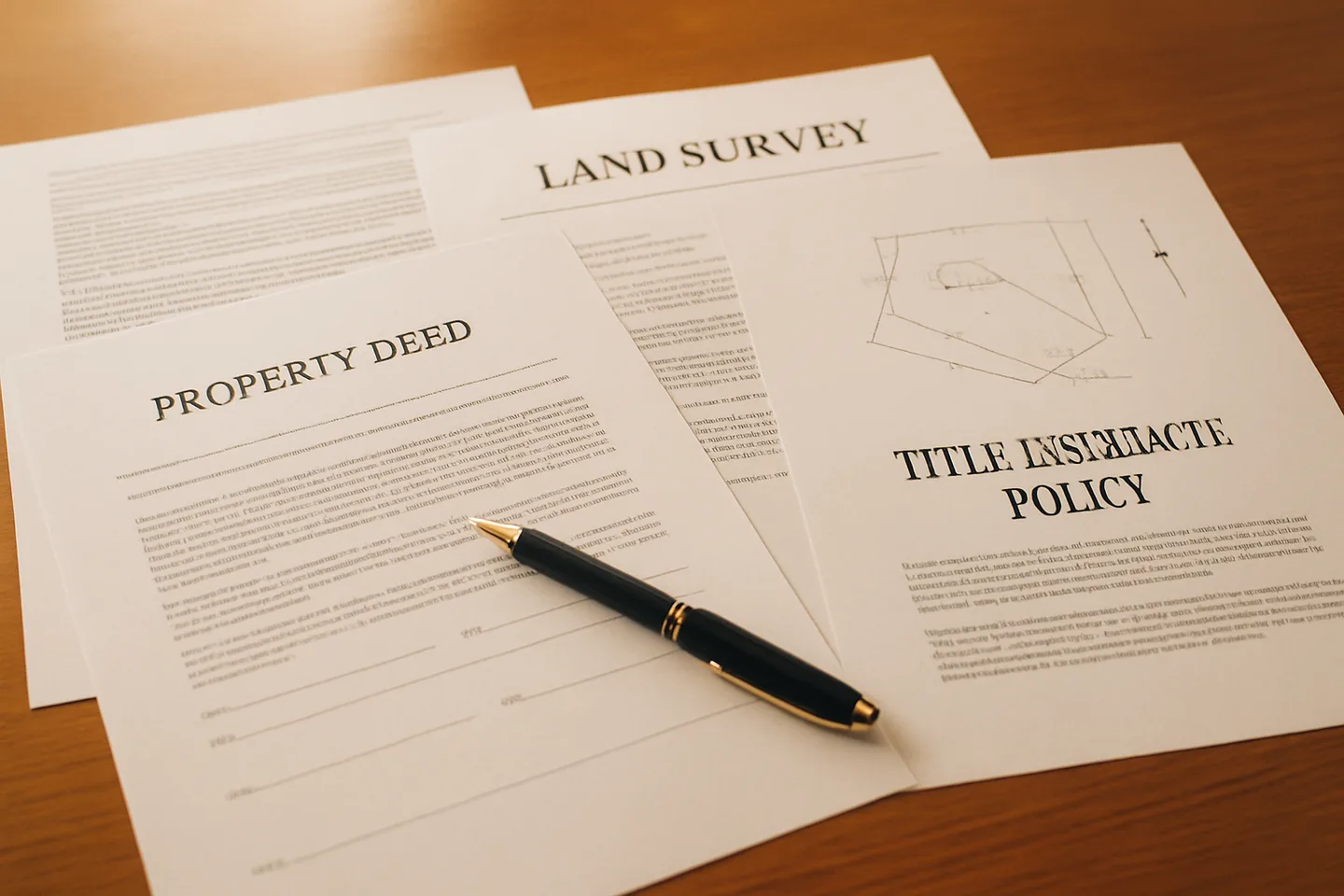
Selling land in North Carolina requires specific legal documents to transfer ownership cleanly and protect both buyer and seller. Whether you are selling a vacant lot in Forsyth County, inherited acreage in Johnston County, or a rural parcel in the mountains, having the right paperwork ready before listing or accepting an offer can mean the difference between a smooth sale and months of delays. This checklist covers every legal document you need to sell land in North Carolina -- and explains who prepares each one.
The Deed: Transferring Ownership of Your North Carolina Land
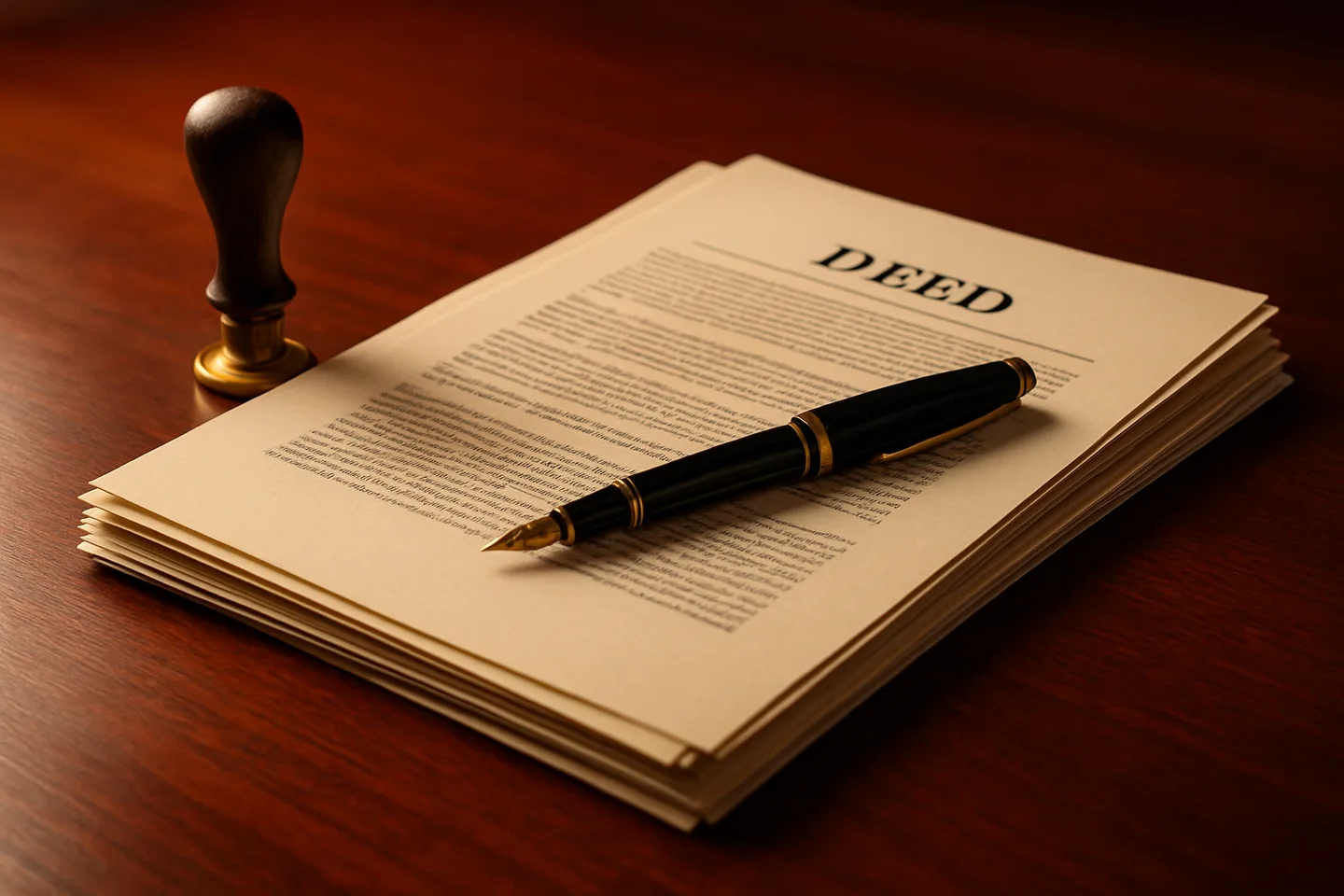
The deed is the single most important legal document in any land sale. It is the instrument that legally transfers ownership from seller to buyer. In North Carolina, the most common types of deeds for selling land are:
General warranty deed. This provides the strongest protection for the buyer. The seller guarantees clear title and assumes liability for any title defects, even those that occurred before the seller owned the property. Most traditional real estate transactions in North Carolina use a general warranty deed.
Special warranty deed. The seller only guarantees that no title defects occurred during their period of ownership. This is common when selling inherited land or North Carolina property that has changed hands multiple times.
Quitclaim deed. The seller transfers whatever interest they have in the property with no guarantees about title. Quitclaim deeds are used for transfers between family members, clearing up title issues, or situations where the seller cannot warrant the title. Most buyers and cash land buyers will not accept a quitclaim deed for a purchase.
A real estate attorney prepares the deed in North Carolina. The deed must include a legal description of the property, the names of the seller (grantor) and buyer (grantee), and the consideration (sale price). After closing, the deed is recorded with the Register of Deeds in the county where the land is located.
Title Search and Title Insurance
Before any sale in North Carolina closes, a title search is conducted to verify that the seller has clear, marketable title to the land. The title search examines public records going back decades to identify any liens, easement issues, unpaid property taxes, judgments, or other encumbrances that could affect ownership.
A real estate attorney or title company performs the title search. If any issues are found -- like a tax lien, an unresolved easement, or a missing heir claim on inherited land -- they must be resolved before closing. This is one of the most common reasons land sales get delayed.
Title insurance protects the buyer (and their lender, if applicable) against title defects that the title search missed. While not legally required for a cash sale in North Carolina, most buyers request it. The seller typically pays for the owner's title insurance policy at closing. When you sell to a direct cash land buyer, the buyer often handles title search and insurance costs as part of covering all closing expenses.
Property Survey

A survey establishes the exact boundaries, acreage, and physical features of your piece of land. In North Carolina, a survey is not always legally required to sell land, but it is strongly recommended -- especially for rural parcels, older properties, and land without a recent survey on file.
A survey helps avoid boundary disputes, confirms the legal description matches the actual parcel, and identifies any encroachments or easement issues that might not appear in public records. If you are selling without a realtor and handling the sale yourself, having a survey gives potential buyers confidence in what they are purchasing.
A licensed surveyor in North Carolina typically charges $500-2,000 depending on the parcel size, terrain, and complexity. If you are selling to a direct cash land buyer, they often purchase as-is without requiring a new survey, saving you this expense.
Property Tax Records and Tax Clearance

The buyer's attorney or the title company will verify that all property taxes are current. If there are delinquent taxes on the vacant property, they must be paid at closing from the sale proceeds. The current year's taxes are prorated between buyer and seller based on the closing date.
In North Carolina, you can obtain your property tax records from the county tax office. These records show the assessed value, the annual tax amount, and any outstanding balances. Having your tax records organized before the sale in North Carolina speeds up the closing process.
If the land has been in a present-use value program (agriculture, forestry, or horticulture), be aware of potential rollback taxes -- the difference between the reduced taxes you paid and what you would have owed at full value. A real estate attorney can help you calculate whether rollback taxes apply and how they affect your net proceeds.
Seller's Disclosure Statement
North Carolina law requires sellers to complete a Residential Property and Owners' Association Disclosure Statement for most residential property sales. For vacant land, the disclosure requirements are less extensive, but you should still disclose any known material facts -- environmental contamination, flooding history, easement issues, access restrictions, or pending legal disputes.
Failing to disclose known defects can expose you to legal liability after closing. When in doubt, disclose. A real estate attorney can help advise on what must be disclosed when selling your North Carolina land.
Additional Documents You May Need
Power of attorney. If you cannot attend the closing in person, you can authorize someone to sign on your behalf using a power of attorney. This is common for out-of-state landowners selling North Carolina property remotely.
Estate documents. If you are selling inherited land, you will need letters testamentary (if there is a will) or letters of administration (if there is no will) from the probate court, proving your authority to sell on behalf of the estate.
Payoff statements. If there is a mortgage, lien, or judgment on the property, the lender or creditor must provide a payoff statement showing the exact amount needed to release the encumbrance at closing.
HOA or deed restriction documents. If the land is part of a subdivision or homeowners association, you may need to provide governing documents, outstanding dues, and any transfer fees.
Who Handles the Paperwork When You Sell North Carolina Land?
In a traditional real estate transaction, the real estate agent or land broker coordinates much of the paperwork. But agents charge 5-6% in commissions for this service. If you are selling without a realtor, the real estate attorney or title company handles the legal documents -- deed preparation, title search, tax prorations, and closing -- for a flat fee of $500-1,000.
When you sell to a direct cash land buyer like our land company, we handle all of it. We coordinate the title search, prepare the closing documents through our attorney or title company, resolve any liens or back property taxes, and manage the entire sale process from offer to closing. You sign the deed, we wire your funds, and the transaction is done. This is why many North Carolina landowners who are looking to sell choose a direct sale -- it eliminates the paperwork burden entirely.
Whether you are selling your vacant North Carolina land through a realtor, by owner, or to a direct cash buyer, having the right legal documents in order from the start ensures a smooth closing. If you have land to sell and want to skip the hassle, contact our land company for a no-obligation cash offer. We are experienced land buyers who specialize in purchasing North Carolina property for cash, and we ensure a smooth real estate transaction every time. Sell your North Carolina land with confidence -- we handle the paperwork so you do not have to.
Selling Your North Carolina Land: Skip the Paperwork Hassle
Many landowners who want to sell their property get overwhelmed by the legal paperwork and end up stuck. Setting the right price requires a market analysis using recent sales of similar properties and current land values -- without this data, your asking price might be too high and your land for sale sits on the multiple listing service (MLS) or Zillow for months. If you are asking "how do I sell my land?" and the legal complexity is what holds you back, know that there is a simpler path.
When you're ready to sell, a direct cash land buyer handles every document on this list for you. Our land company buys vacant land in North Carolina, inherited property, undeveloped land, timberland, recreational land, mountain land, and every type of land regardless of condition. We perform the market analysis, coordinate the title search, prepare the deed to transfer the title, resolve any liens or back property taxes, and manage the entire sale process through a real estate attorney or title company. Easement issues, missing surveys, or complications that could slow down the sale through traditional channels are not problems for us.
If you want to sell your vacant North Carolina land without a realtor, without a land broker, and without the hassle of assembling legal documents yourself, selling to experienced land buyers like us makes selling simple. We buy land in NC as-is and ensure a smooth closing in as little as two weeks. Many landowners looking to sell come to us because buyers think about financing, inspections, and appraisals -- all of which add complexity and delay. A direct cash sale eliminates every one of those obstacles. Whether you have a plot of land near Charlotte, farmland in the Piedmont, or a piece of land you inherited years ago, sell your North Carolina land with confidence. We specialize in purchasing North Carolina property for cash and we handle the legal paperwork so you do not have to. Contact us for a no-obligation offer -- a faster sale without the hassle starts here.
Legal Documents for Selling Land in NC: Frequently Asked Questions
What documents do I need to sell land in North Carolina?
At minimum, you need the deed, a title search, property tax records, and a closing statement. Additional documents may include a survey, seller's disclosure, power of attorney (for remote closings), and estate documents (for inherited land). A real estate attorney can help ensure you have everything needed for a smooth closing.
Do I need a lawyer to sell land in North Carolina?
While not legally required, North Carolina is an attorney-closing state by custom. Most land sales involve a real estate attorney who prepares the deed, conducts the title search, and handles the closing. Attorney fees for a land closing typically run $500-1,000.
Do I need a survey to sell land?
A survey is not always legally required, but it is strongly recommended for rural parcels, older properties, and land without a recent survey. A cash land buyer will often purchase as-is without requiring a new survey.
What if there are liens or back taxes on my land?
Liens and delinquent property taxes are resolved at closing from the sale proceeds. The title company or real estate attorney handles the payoff. A direct cash buyer can manage these issues so you do not have to pay them before selling your North Carolina land.
Can I sell land remotely without being at the closing?
Yes. You can authorize someone to sign on your behalf using a power of attorney, or you can sign documents through a mobile notary in North Carolina. When selling to a direct cash buyer, everything can be handled remotely -- many landowners sell land in NC from out of state every month.
Need to sell your North Carolina land? We buy land directly from owners for cash, with no fees, no commissions, and we close in as little as 2 weeks.
Loading form...
Sell Your North Carolina Land for Cash
We buy land across North Carolina. Get a free cash offer for your property: