Selling Land to a Developer in North Carolina: What to Expect
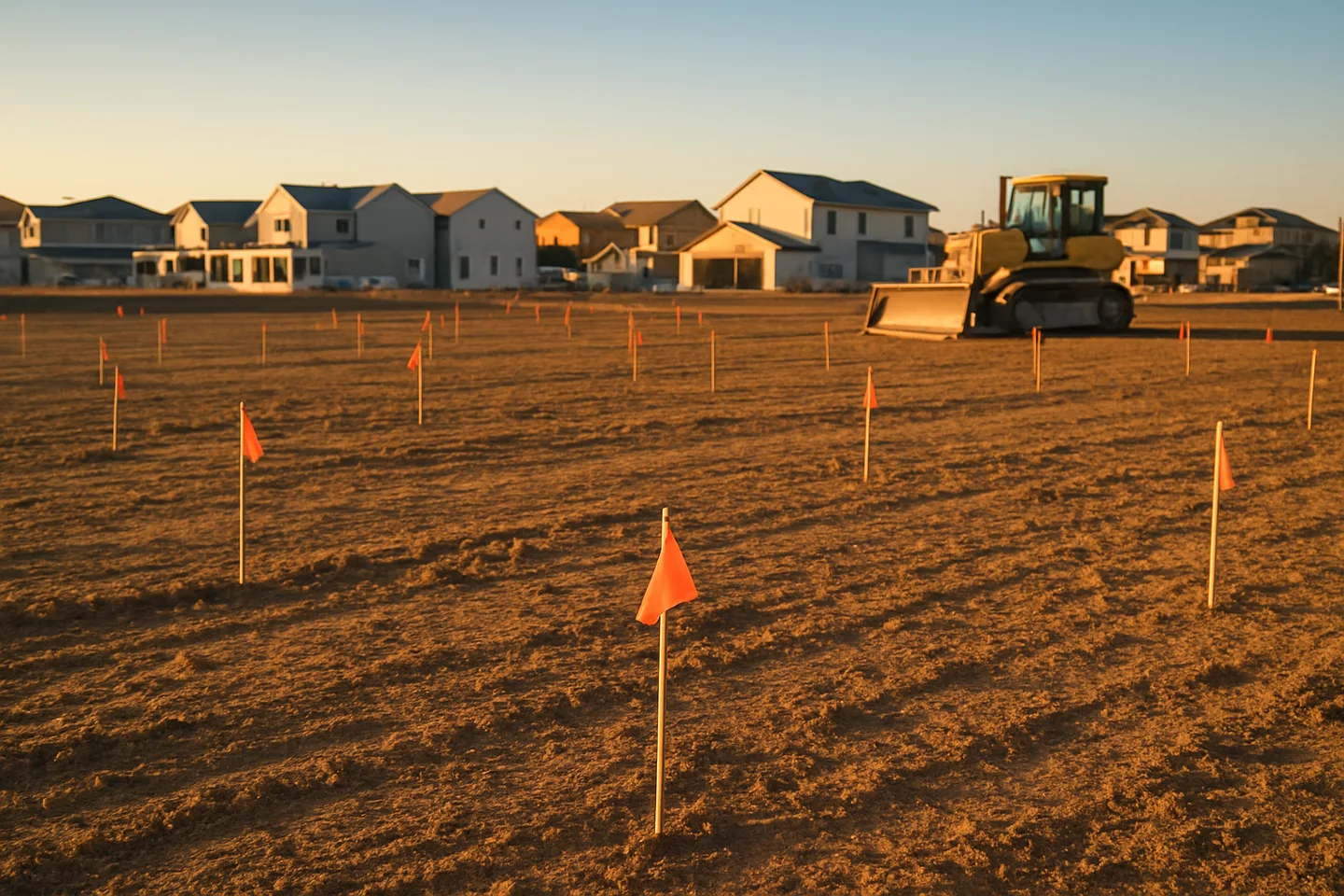
Selling land to a developer in North Carolina can be one of the most lucrative ways to sell your property -- but it is also one of the most complicated. Developers want land they can build on profitably, which means they care about zoning, road access, utilities, topography, and whether the numbers work for their project. If you own a piece of land in a high-growth area like Charlotte, Raleigh, or the Triad, a developer might pay top dollar. But if your parcel has complications or sits outside the development corridor, selling to a developer may not be realistic. This guide covers how to sell land to a developer in North Carolina, what developers look for, and what to do when a developer sale is not in the cards.
What Developers Look for When Buying North Carolina Land
Not all land attracts developer interest. Before you start marketing your North Carolina property to builders and developers, understand what makes a parcel development-ready.
Zoning. Developers need land zoned for their intended use -- residential, commercial, mixed-use, or industrial. If your land is zoned agricultural or has restrictive covenants, the developer will need to apply for a rezoning, which adds time, cost, and uncertainty. In fast-growing North Carolina counties like Mecklenburg, Wake, and Durham, rezoning applications can take 6-12 months and are not guaranteed to be approved.
Road access and utilities. A parcel with public road frontage and access to municipal water, sewer, and electric is far more attractive than landlocked or undeveloped land that requires infrastructure investment. Developers factor the cost of extending utilities into their offer price, which means your land might be worth less than comparable parcels with existing connections.
Topography and environmental constraints. Flat, well-drained land is ideal for development. Steep slopes, wetlands, flood zones, easement issues, and protected stream buffers reduce the buildable area and increase construction costs. Mountain land in Buncombe County or coastal parcels in New Hanover County often face these challenges.
Size and shape. Developers typically want parcels large enough to subdivide into multiple lots or build a multi-unit project. Odd-shaped lots, narrow parcels, or land too small for meaningful development may not attract developer interest regardless of location.
How to Find and Approach Developers in North Carolina
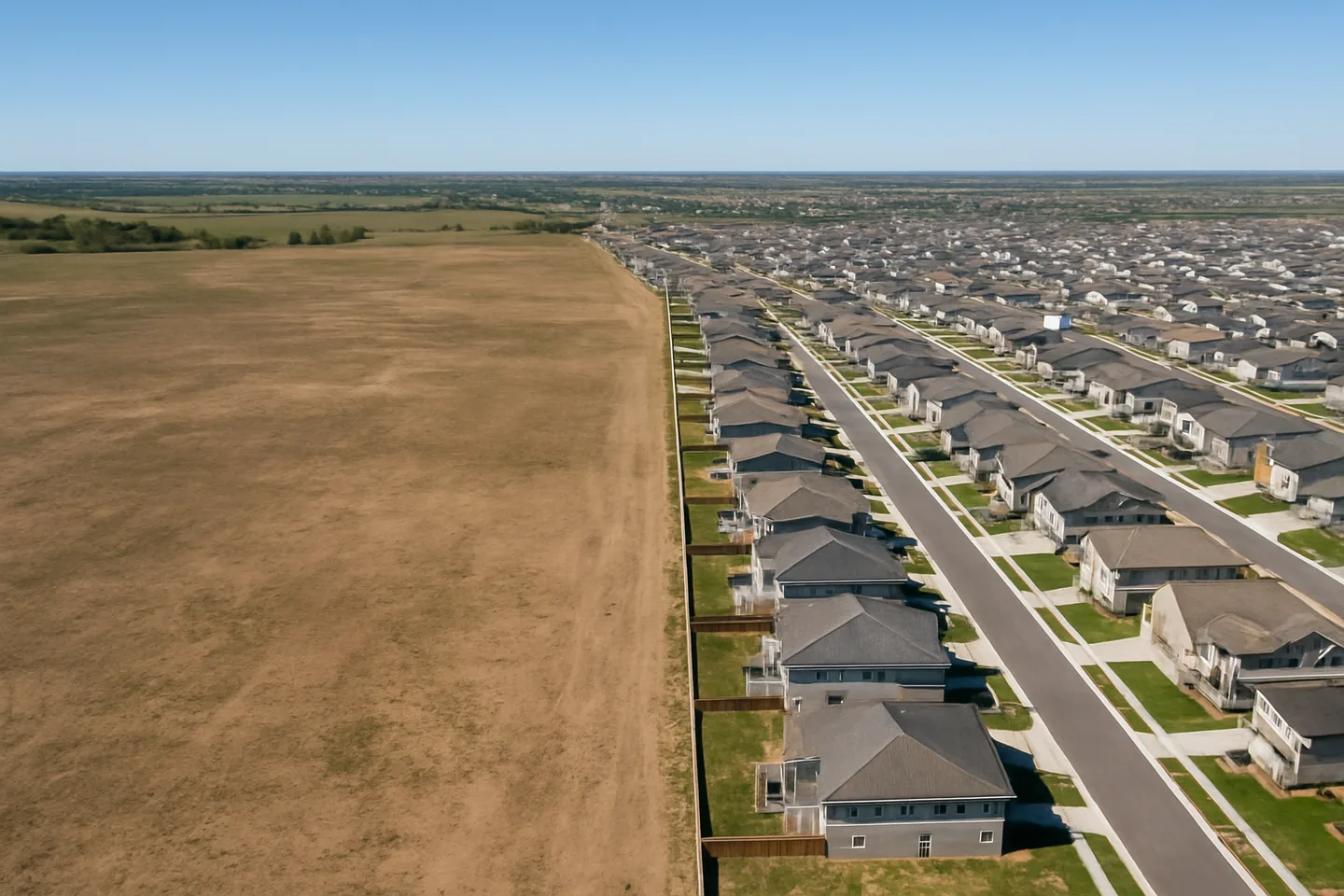
If your land meets the criteria above, here is how to connect with developers who might buy it.
Research active builders in your area. Drive new subdivisions near your property and note the builder names on the signs. Search for them online and contact their land acquisition department. Local homebuilders associations and real estate investment groups are also good sources.
List with a land broker who works with developers. Some real estate agents and every specialized land broker maintain relationships with developers and can market your North Carolina property directly to them. Expect to pay 5-6% in commissions, but the broker's connections may get you a higher sale price than selling on your own.
Contact commercial real estate firms. For larger parcels or commercial-zoned land, commercial realty firms often have developer clients actively searching for land for sale in high-growth North Carolina markets.
List on the MLS and developer-focused platforms. The multiple listing service reaches agents who represent developers. You can also list on LoopNet, Crexi, and other commercial real estate platforms that developers monitor.
What to Expect When Negotiating with a Developer
Selling to a developer is not like selling to an individual buyer. Developers are sophisticated buyers who think about the numbers, not the scenery. Here is what to expect during negotiations.
Due diligence period. Developers will request a lengthy due diligence period -- typically 60-120 days -- to study the land, run soil tests, evaluate environmental constraints, and work on preliminary plans. During this period, the land is effectively off the market but the developer can walk away if the numbers do not work.
Contingencies. Developer contracts are loaded with contingencies: rezoning approval, soil test results, utility availability, environmental clearance, and sometimes even pre-selling a certain number of lots before committing to close. Any of these contingencies could slow down the sale or kill the deal entirely.
Lower-than-expected offers. Developers price land based on what they can build and sell, not on your asking price or the fair market value for raw land. A developer calculating backwards from projected home sales might offer less than you expect, especially if the land needs infrastructure or rezoning. A formal appraisal from a land appraiser can help you understand whether a developer's offer is fair.
Long timelines. Developer deals take months to close. Between due diligence, rezoning, permitting, and financing, a sale in North Carolina to a developer can stretch 6-18 months from initial contact to closing. If you need to sell land fast, a developer sale is usually not the answer.
When Selling to a Developer Is Not an Option
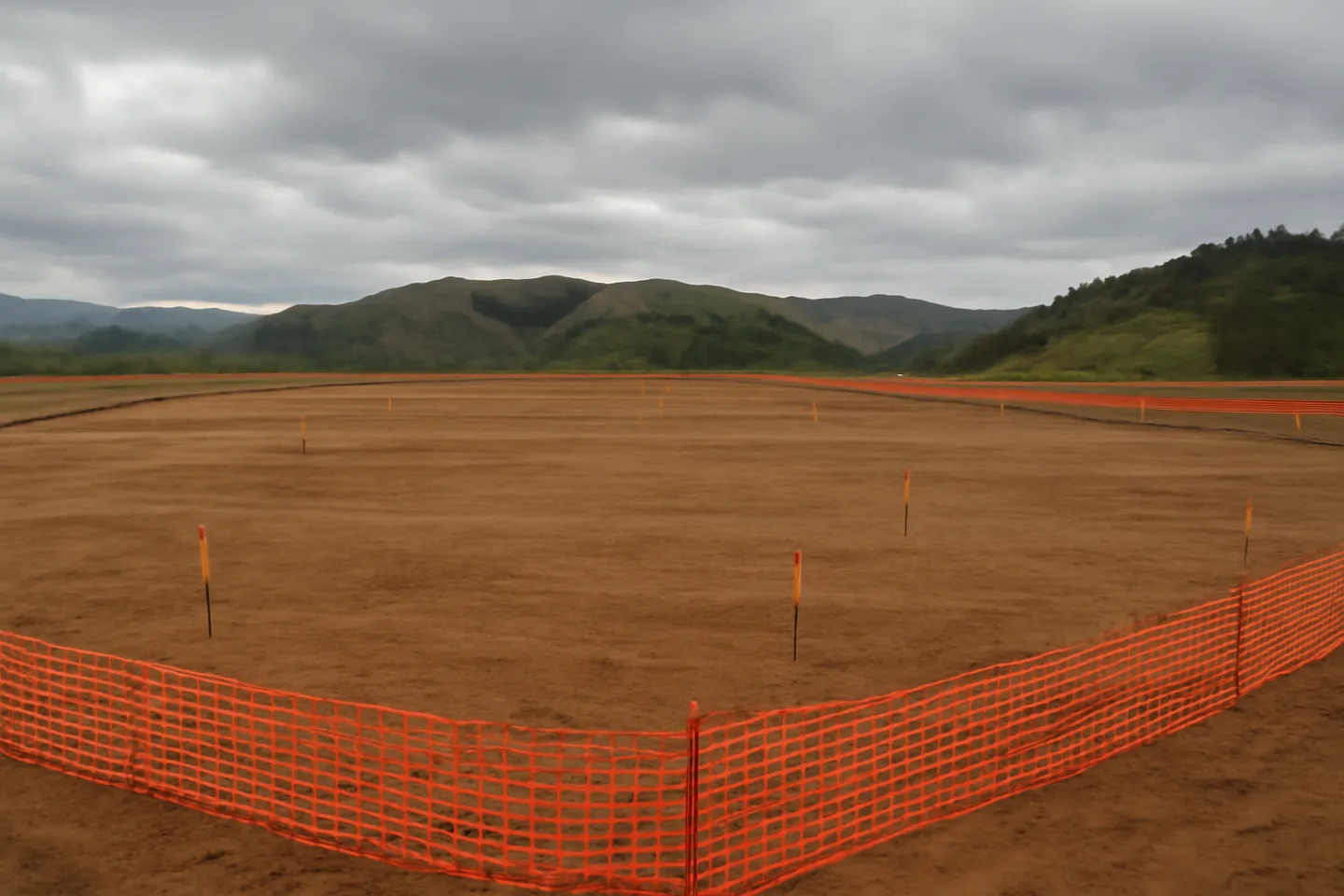
The reality is that most vacant land in North Carolina does not attract developer interest. If your parcel is too small, too remote, poorly zoned, steep, landlocked, or outside an active growth corridor, developers will pass. Listing land for sale on the MLS or with a realtor hoping a developer will come along is a gamble that rarely pays off for rural or complicated parcels.
If you have tried marketing to developers and gotten nowhere, or if your land simply does not fit what developers want, selling to a direct cash land buyer is the practical alternative. Our land company buys North Carolina property that developers, realtors, and individual buyers on the MLS all pass on. We buy every type of land -- vacant lots, undeveloped land, timberland, recreational land, mountain land, forestry parcels, and inherited property. Easement issues, unclear boundaries, no road access, steep terrain, flood zones -- none of these are deal-breakers for us.
We perform a market analysis using recent sales of similar properties and current land values, and we present a fair cash offer within 24 hours. There are no contingencies, no due diligence periods, and no risk of the deal falling through. When you're ready to sell, we coordinate with a real estate attorney or title company to transfer the title and ensure a smooth closing in as little as two weeks. Many landowners looking to sell their property in North Carolina come to us after wasting months trying to find a developer or waiting for potential buyers on Zillow who never follow through.
Whether you want to sell your vacant North Carolina land to a developer, sell without a realtor, or simply get a fair cash offer and move on, we are experienced land buyers who specialize in purchasing North Carolina land for cash. Sell your North Carolina land with confidence -- contact our land company today for a no-obligation offer.
Selling Land to a Developer in NC: Frequently Asked Questions
How do I know if my land is attractive to developers?
Developers want land with the right zoning, road access, utilities, favorable topography, and sufficient size for their project. If your North Carolina land is in a high-growth area near Charlotte, Raleigh, or the Triad with public water and sewer access, developers may be interested. If the land is rural, steep, landlocked, or needs rezoning, developer interest will be limited.
How long does it take to sell land to a developer?
Developer deals typically take 6-18 months from initial contact to closing due to due diligence, rezoning, and permitting timelines. If you need a faster sale, selling to a direct cash land buyer takes 2-4 weeks.
Will a developer pay more than a cash buyer?
Sometimes. If your land is in a prime development location with the right zoning and infrastructure, a developer may pay a premium. But developer deals come with contingencies, long timelines, and significant risk of falling through. A cash buyer offers certainty: a fair price, no contingencies, and a fast close.
What if no developer wants my land?
Most vacant land in North Carolina does not attract developer interest. If developers have passed, selling to a direct cash land buyer who buys as-is is your best option. We purchase land that developers, agents, and traditional buyers avoid -- any condition, any location in North Carolina.
Do I need a real estate agent to sell to a developer?
Not necessarily. You can approach developers directly. However, a land broker with developer relationships may get you more exposure and a higher offer. Alternatively, selling directly to a cash land buyer requires no agent, no broker, and no listing at all.
Need to sell your North Carolina land? We buy land directly from owners for cash, with no fees, no commissions, and we close in as little as 2 weeks.
Loading form...
Sell Your North Carolina Land for Cash
We buy land across North Carolina. Get a free cash offer for your property: