Tax on Selling Land in North Carolina: What Landowners Need to Know
If you are planning to sell land in North Carolina, understanding the tax implications is one of the most important steps you can take before closing. Whether you own a vacant lot in Wake County, farmland in Johnston County, or mountain acreage in Buncombe County, the taxes you owe on the sale depend on how long you held the property, what you paid for it, and how much you sell it for. This guide breaks down everything North Carolina landowners need to know about capital gains tax, property taxes, and strategies to reduce your tax bill when selling your land.
Capital Gains Tax on Selling Land in North Carolina
When you sell land in North Carolina for more than you paid for it, the profit is considered a capital gain. The IRS taxes capital gains at different rates depending on how long you held the property. If you owned the land for more than one year, the gain is a long-term capital gain and is taxed at preferential federal rates -- typically 0%, 15%, or 20% depending on your income. If you held it for less than a year, the gain is short-term and taxed as ordinary income at your regular federal tax rate.
North Carolina does not have a separate capital gains tax rate. The state taxes all income, including capital gains from a land sale, at a flat rate. As of 2025, that rate is 4.5%, though it has been gradually decreasing in recent years. This means selling North Carolina land triggers both federal and state tax obligations on the profit.
Your taxable gain is calculated as the sale price minus your cost basis (what you paid for the land, including purchase price, closing costs, and any capital improvements) minus selling expenses. If you sell to a direct land buyer with no commissions or closing costs on your end, your selling expenses may be minimal, which can actually increase your net gain. A tax professional can help you calculate the exact amount you will owe.
How the Stepped-Up Basis Affects Inherited Land
If you inherited the North Carolina property rather than purchasing it, you receive a stepped-up basis. This means the IRS resets your cost basis to the fair market value of the land on the date the previous owner died -- not what they originally paid. This is a significant tax advantage for heirs looking to sell inherited land.
For example, if your parent bought a piece of land in North Carolina for $8,000 in 1990 and it was worth $60,000 when they passed, your stepped-up basis is $60,000. If you sell for $62,000, your taxable capital gain is only $2,000 -- not $54,000. Selling inherited land sooner rather than later, while the fair market value is close to the stepped-up basis, can minimize your tax exposure. Many landowners who want to sell inherited land fast do so partly to lock in this tax advantage before land values rise further.
Property Taxes on Vacant Land in North Carolina

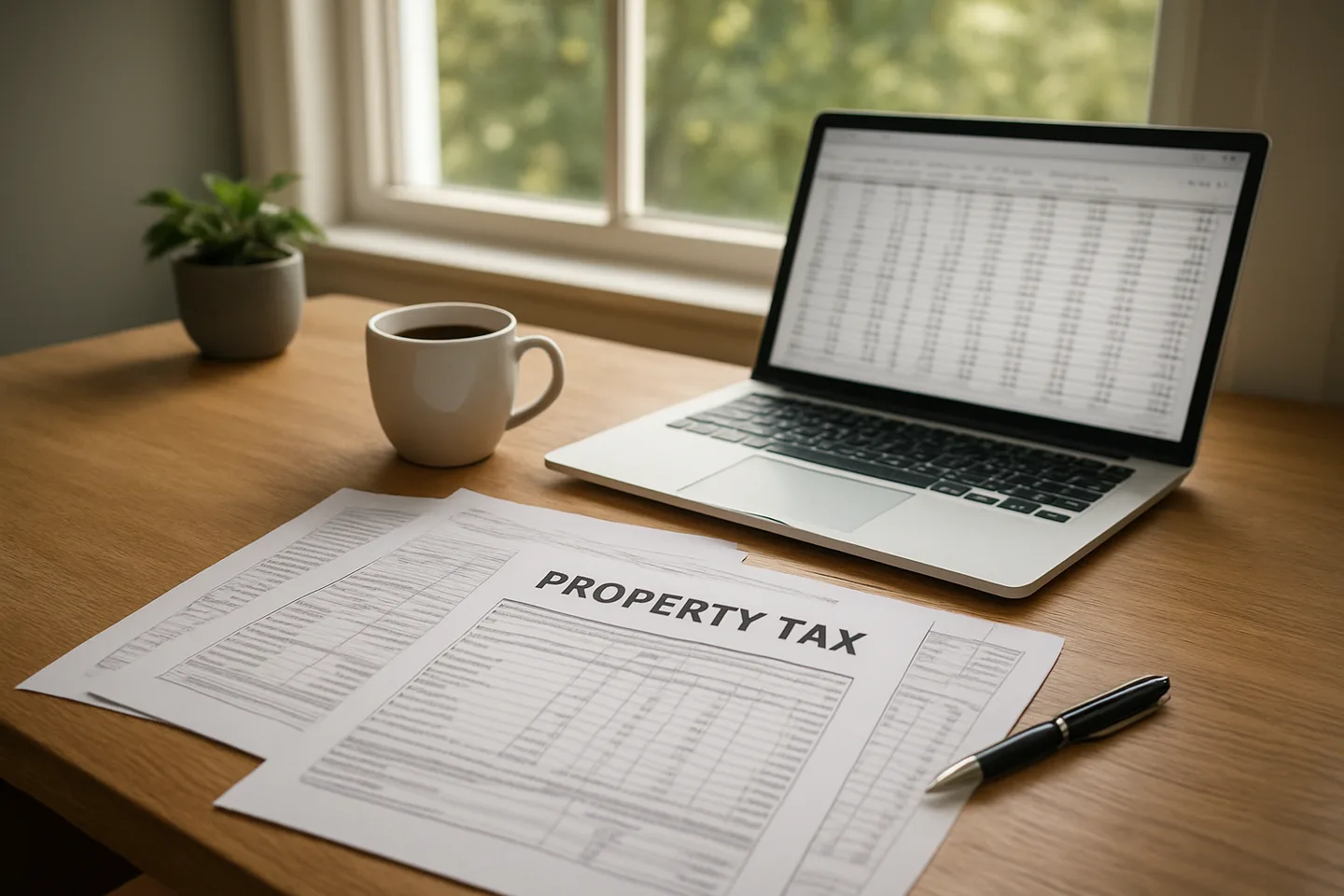
While you hold vacant land in North Carolina, you owe annual property taxes to the county regardless of whether the land produces income. Property tax rates vary by county, and North Carolina property taxes can be substantial in high-growth areas like Mecklenburg County (Charlotte), Wake County (Raleigh), and Durham County. Every month you hold a vacant property means another bill with no return.
When you sell land, any unpaid property taxes must be resolved at closing. The title company or real estate attorney handling the real estate transaction will prorate the current year's taxes between buyer and seller and ensure any delinquent taxes are paid from the sale proceeds. If your land has years of back property taxes, a cash land buyer can handle these liens at closing so you do not have to pay them out of pocket before the sale.
Some North Carolina landowners qualify for present-use value taxation if the land is actively used for agriculture, forestry, or horticulture. This program significantly reduces the assessed value and annual tax bill. However, if you sell land that has been in the present-use program, you may owe rollback taxes -- the difference between the reduced taxes you paid and what you would have owed at full value, typically for the past three years. A real estate attorney can help you understand whether rollback taxes apply to your parcel.
Strategies to Reduce Taxes When Selling North Carolina Land

Several legal strategies can help you minimize your tax bill when selling land in North Carolina. Not every strategy applies to every situation, so consult a tax professional before making decisions.
1031 Exchange
A 1031 exchange allows you to defer capital gains tax by reinvesting the sale proceeds into another investment property of equal or greater value. The rules are strict -- you must identify a replacement property within 45 days and close within 180 days -- but a successful exchange can defer your entire tax bill. This works best for landowners who plan to buy other land or investment property, not for those who simply want to cash out.
Installment Sale
An installment sale spreads the gain over multiple tax years by receiving payments over time rather than a lump sum. This can keep your income in a lower tax bracket each year. The downside: you do not receive all your cash at closing, and there is risk the buyer defaults. Most direct cash land buyers pay in full at closing, which does not allow for installment treatment.
Sell Sooner After Inheriting
If you inherited the land, the stepped-up basis resets your taxable gain to zero on the date of death. Selling quickly while the fair market value is close to that stepped-up basis means little or no capital gain. The longer you wait, the more the land might appreciate, increasing your tax liability. This is one reason many heirs are looking to sell inherited land fast in North Carolina.
Offset Gains with Losses
If you have capital losses from other investments -- stocks, other real estate, or a business -- you can use those losses to offset the capital gain from selling your North Carolina land. This is called tax-loss harvesting and can significantly reduce or eliminate your tax bill in the year you sell.
What About Transfer Taxes and Recording Fees?
North Carolina charges an excise tax (also called a revenue stamp) on real estate transfers. The rate is $1 per $500 of the sale price. On a $50,000 land sale, the excise tax would be $100. By custom, the seller typically pays this tax in North Carolina, though it is negotiable. There are also recording fees for the deed, which are minimal. When you sell to a direct land buyer like our land company, we cover all closing costs including these transfer taxes, so you walk away with the full offer amount.
Selling Your North Carolina Land: Compare Your Options
Before worrying about taxes, many landowners first need to figure out the best way to sell. If you are asking "how do I sell my land?" the answer depends on your timeline and tolerance for hassle. Listing land for sale with a real estate agent means paying commissions and waiting months for potential buyers who may never materialize -- most agents focus on homes, and vacant property on the multiple listing service (MLS) or Zillow rarely attracts serious interest. Selling without a realtor saves commissions but means handling everything yourself, from setting the asking price to screening buyers to coordinating with a land broker or title company.
A faster sale often means selling to a direct cash land buyer. When you're ready to sell, a land buyer like us performs a market analysis using recent sales of similar properties, reviews land values and any appraisal data, and makes a fair offer based on what the land is actually worth. We buy every type of land -- vacant lots, undeveloped land, timberland, recreational land, mountain land, and forestry parcels. Easement issues, unclear boundaries, or a high asking price that scared off buyers on the MLS are not problems for us. We handle buying property in any condition and ensure a smooth real estate transaction from offer to close.
Sell Your North Carolina Land Without the Tax Headache
Understanding taxes is important, but it should not stop you from selling land you no longer need. Every year you hold a vacant parcel, property taxes pile up with no return. If you want to sell your vacant North Carolina land, working with a direct land buyer makes selling simple and predictable. We buy land in NC as-is -- no realtor commissions, no land broker fees, no MLS listing, and no months of waiting. We handle the entire sale process and coordinate with the real estate attorney or title company to transfer the title and ensure a smooth closing. Whether your parcel is inherited land, a plot of land you purchased years ago, or a piece of land that has become a burden, we are experienced land buyers who specialize in purchasing North Carolina property for cash. Sell your North Carolina land with confidence and close in as little as two weeks. You can sell land in North Carolina for cash without the hassle of a traditional listing -- contact our land company today for a no-obligation cash offer.
Tax on Selling Land in North Carolina: Frequently Asked Questions
How much tax do I pay when I sell land in North Carolina?
You owe federal capital gains tax (0-20% for long-term gains) plus North Carolina state income tax (flat 4.5%) on the profit from the sale. The profit is your sale price minus your cost basis minus selling expenses. If you inherited the land, the stepped-up basis may reduce your taxable gain significantly.
Do I pay capital gains tax if I inherited the land?
You only owe tax on appreciation above the stepped-up basis -- the fair market value on the date the previous owner died. If you sell quickly and the value has not changed much, your tax liability may be minimal or zero.
Can I avoid capital gains tax with a 1031 exchange?
Yes, a 1031 exchange defers capital gains tax if you reinvest the proceeds into another investment property within the IRS timeline (45 days to identify, 180 days to close). This works for investors buying replacement property but not for those cashing out entirely.
What happens with back property taxes when I sell?
Delinquent property taxes are typically paid from the sale proceeds at closing. The real estate attorney or title company handles the payoff. A cash land buyer can resolve back taxes at the closing table so you do not have to pay them before selling your North Carolina land.
Who pays closing costs when selling land in North Carolina?
When you sell to a direct cash land buyer like us, we cover all closing costs including the excise tax, recording fees, and title company charges. You receive the full offer amount with nothing deducted. When selling through a realtor, the seller typically pays 5-6% in commissions plus their share of closing costs.
Need to sell your North Carolina land? We buy land directly from owners for cash, with no fees, no commissions, and we close in as little as 2 weeks.
Loading form...
Sell Your North Carolina Land for Cash
We buy land across North Carolina. Get a free cash offer for your property: